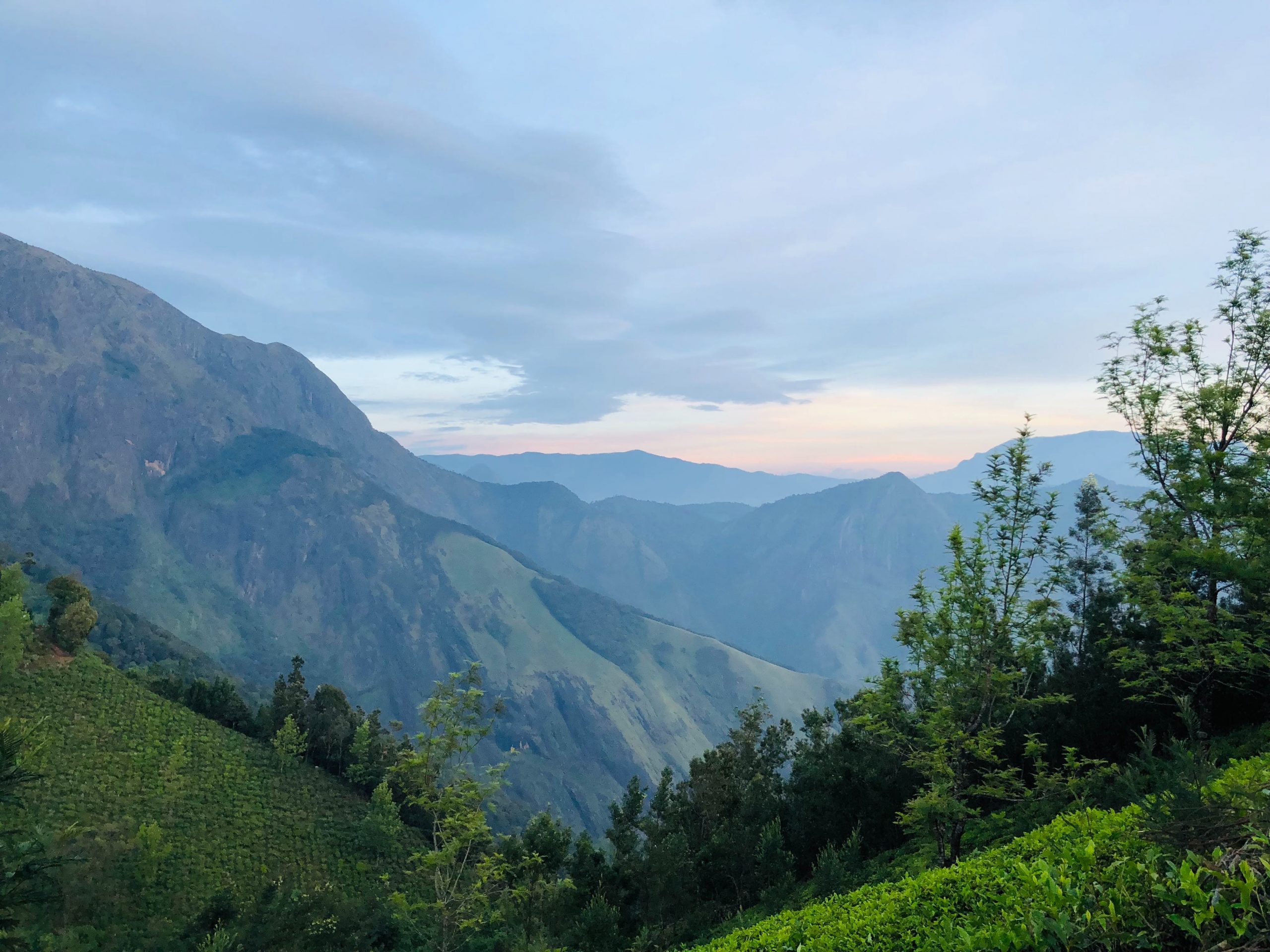
A world heritage site brutally used, overused and abused by ruthless humanoids…1600 KM long and 100 KM wide… A breathtaking landscape on the fringes of the Western Coast of India, stretching from Songadh in Gujarat, through Maharashtra, Goa, Karnataka, Kerala and Tamil Nadu terminating at Maruthuwazh Malai(the abode of medicinal herbs) at the southern tip of India embracing the Indian Ocean. One of eight biodiversity hotspots identified by the United Nations. Older than Himalayas, having formed during the break up of the supercontinent Gondwana 150 million years ago breaking away from Madagascar. Considered India’s ecological crown. This geographical and geological wonder is the mighty Western Ghats..
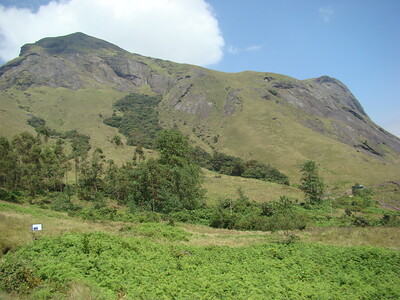
Anamudi- The highest peak in the Western Ghats and in South India, at an elevation of 2,695 metres, it is the Pride of Kerala
Along with other regions in the coastal belt, Kerala – passionately addressed as “God’s Own Country” is the merciful gift of this mountain giant called the Western Ghats. It lies nestled between the pristine waters of the Arabian Sea on the West and Ghats on the east. Six state territories breathe life only because of this God-given geographical wonder! Yet we humans show no responsibility to sustain this primitive ecosystem and maintain it the way it should be. The Western Ghats detains the Southwest monsoon clouds at its peaks and provides us with the southwest rainfall season- the main rainy season in Kerala called the Edavappathi – for us to sustain and enjoy. Unfortunately 20% of its territory has already been encroached and continues to be depleted to dangerous levels
Wildlife of the Western Ghats
1800 species of plants and 300 species of animals are endemic to this region is home to 41 rivers flowing west to merge with the Arabian sea board and 5 rivers flowing east, to merge with the Bay of Bengal. It is also home to 7500 species of flowering plants, 1800 species of non flowering plants, 150 mammal species, 500 bird species, 185 Amphibian species, 600 insect species and finally 300 species of fish. 340 globally threatened flora and fauna are native to this region. Western Ghats is home to evergreen, deciduous and rain forests including the evergreen cicada-free Silent Valley.
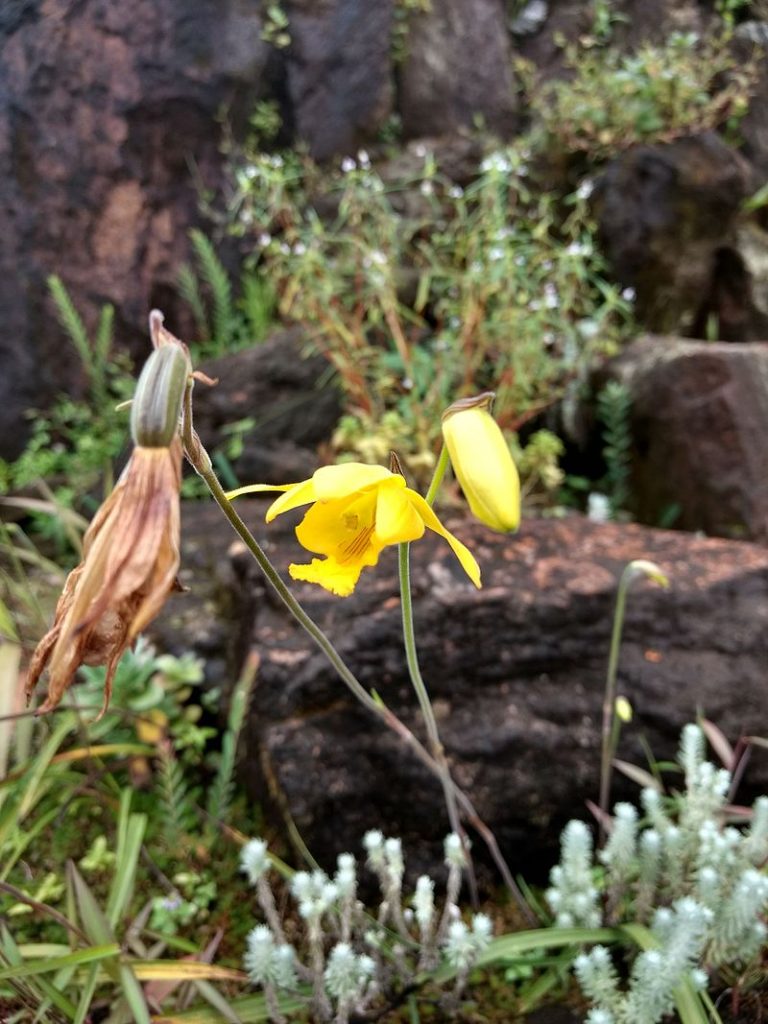
Ipsea malabarica or Malabar daffodil is an endemic and endangered Orchid species that was believed to be extinct till it was rediscovered in 1982 after a period of nearly 132 years
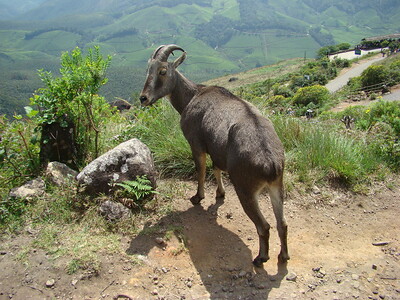
Nilgiri Tahr - An endangered, hoofed mammal or ungulate endemic to the Western Ghats. It is the only mountain ungulate in India
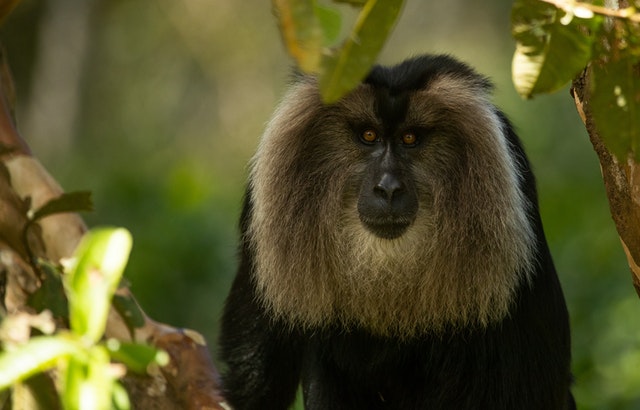
Lion-tailed Macaques - Only found in the Western Ghats and listed as Endangered by the IUCN Red
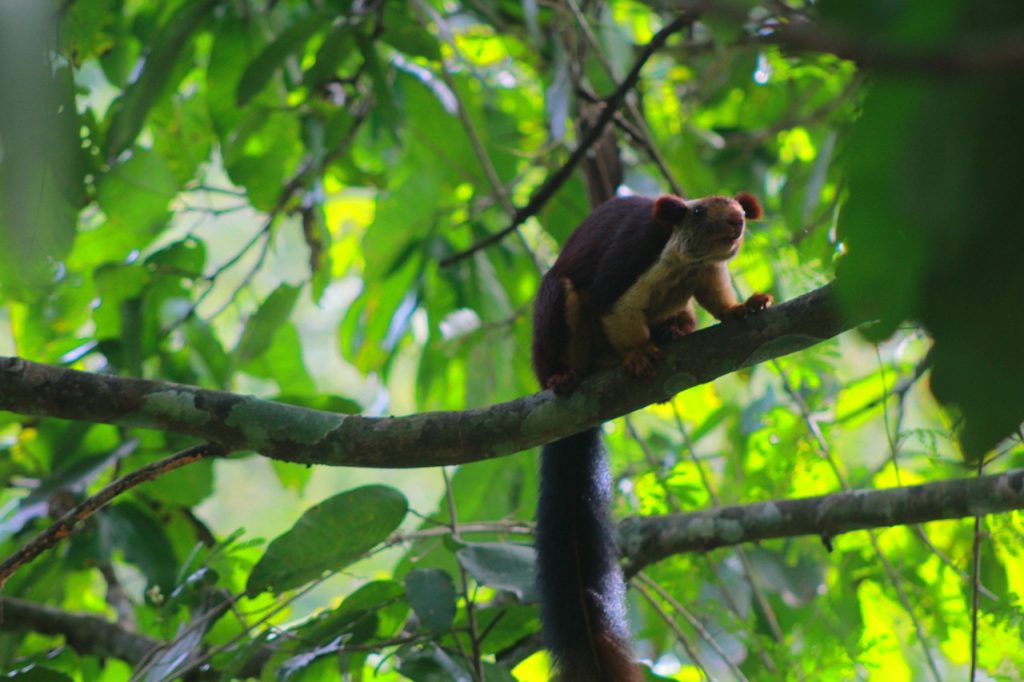
Malabar Giant Squirrel endemic to India, it is found in the Western and Eastern Ghats and the Satpura range.
The Hill Tribes
The original inhabitants of western ghats since the beginning of human existence are the Indegenous natives viz Malayars, kanis, kaders, kanikkars etc of the negritos ethnicity. Later the proto Astroloids came in followed by Dravidians in 700 BC and finally by the Aryans in 300 BC. Though the majority mix of Kerala is the Dravidians, tribal communities are still in abundance in areas like Wayanad, Nilgiris etc.
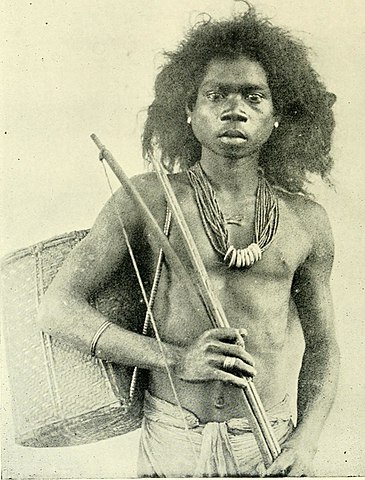
Kanikkar Tribal
The Gadgil Commission
In such a vast background when the plunder of such a vulnerable lifeline landscape in astronomical proportions viz deforestation, land grabbing, large scale quarrying and the resultant environmental degradation, flooding and landslides, the Central Government appointed a Commission to probe into the matter and frame guidelines to terminate the atrocities committed by us humans in gay abandon. It is famously known as the Gadgil Commission. An RFP (Request For Proposal) was issued to the commission by the central environmental agency covering the following points.
Compilation of all available information on Western Ghats.
Development of Geospatial database based on environmental sensitivity.
Co-ordination with Government entities and groups of the civil society affected by the pillage of the landscape.
Gadgil committee recommendations
The panel designated the entire hill range spanning six Indian states as an ecologically sensitive area(ESA)
It classified 140 taluks in the region into ecologically sensitive zones (ESZ) 1,2 and 3. ESZ-1 being of the highest priority
The commission recommended prohibiting all development activities viz human occupation, mining, thermal power plants etc.
The report also suggested a blanket ban on undertaking any kind of hydroelectric project. Similar restrictions were imposed on other zones , but with permissible concessions.
The commission also recommended an Ecology Authority for the management of the Ghats.
The report was strongly resisted on the grounds that it was too environment friendly and without any development features. The objections came centered on embedded migrants(and not the native tribal clans) from lower Kerala and Tamil Nadu on grounds that their future generations will have to bear the brunt of it. In order to dilute such criticisms, a second entity called Kasthurirangan Commission was constituted by the same central agency. Their report apparently watered down the environmental recommendations of the Gadgil commission and a balancing route was adopted to appease the development lobby. The commission report brought down the Ecologically sensitive areas to 37% of total mass from the 65% proposed by the Gadgil Commission. The report was compiled by undertaking a method using remote sensing apparatuses instead of going down to the action ground and mobilizing naked facts of the problem in hand.
It was therefore criticized as a cooked-up narrative by environmentalists.
The fight to save the Ghats
Genuinely speaking Western Ghats is a biological treasure trove that is endangered and needs carefully designed parameters for protection and a rigorous action plan for regeneration. The Ghats deserve to be celebrated for its enormous wealth of endemic species and natural beauty.
Dr.K.Kasturirangan, who headed the Kasturirangan Panel also goes on record, in spite of generating a partly inaccurate report that his recommendations are serious and alarming in character in various perspectives and therefore it is imperative that we protect, manage and regenerate the lands now remaining in the Western Ghats as biologically rich, diverse and a naturally wondrous landscape. A factor of sustainability is to be introduced into the realm of the Ghats management equations.
Sustainability refers generally to the capacity for earth’s biosphere and human domain to coexist. For many, sustainability is defined through the interconnected domains of environment, economy and society. But the possibility that human societies will achieve environmental sustainability has been and continues to be questioned in the light of the environmental degradation, biodiversity loss or screw ups, climate change, over consumption, population growth and the societies pursuit of unlimited economic growth in a closed system. Due to persistent objections by loot lobbies and a corrupt-to-the core political administration background, none of the recommendations by such expert commissions have been rolled out till date.
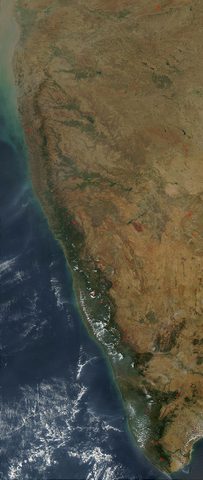
Satellite Picture of the Western Ghats and West coast
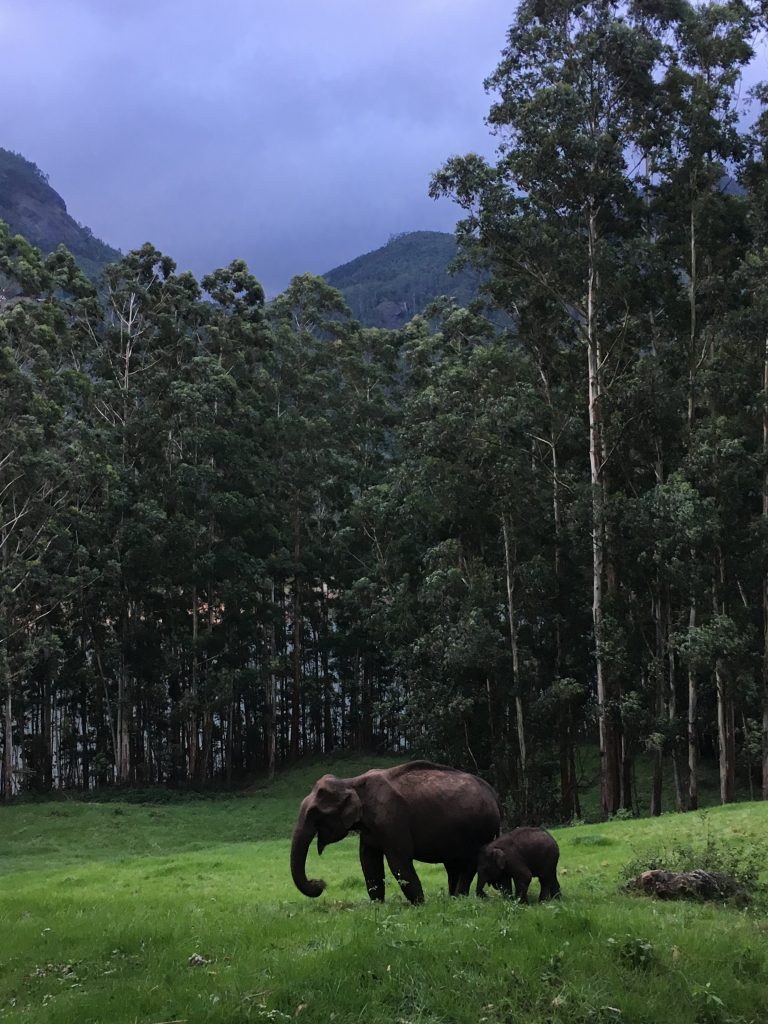
The Western Ghats landscape is home to the largest Asian Elephant population in the world. Although large, this population is nevertheless threatened by habitat loss and fragmentation, poaching of elephants, and from retaliatory killing of elephants due to human animal conflict.
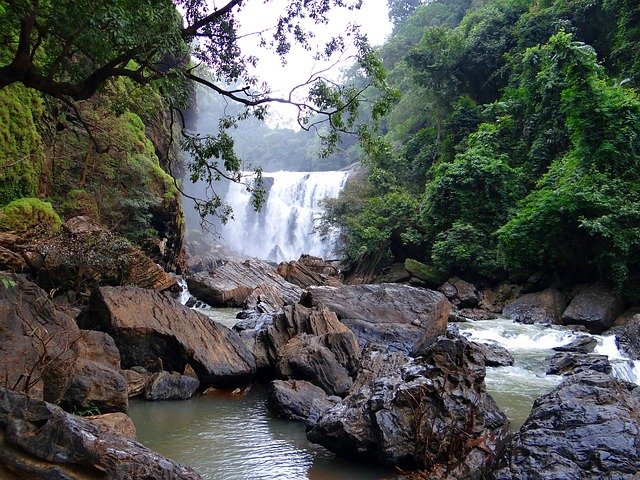
Sathodi Falls - A picturesque rectangular-shaped waterfall in the Western Ghats
The way forward..
As a well wisher of the environment and nature, standing on a neutral zone and with the intention of bringing back the God gifted natural wonder we have fondly named as “Sahya Parvatham”, I hereby suggest a series of steps to be brought in to action to achieve what we intend to achieve viz
Implement the Gadgil commission recommendations by a legislative action.
Do not allow more and more human settlement in the name of migrant population explosion. Provisions could be made to accommodate such influx of people in areas out side the existing perimeters of the Ghats.
Since the 1800’s the British have mercilessly invaded and destroyed the environmental and biodiversity characteristics of the region for their own monitory advantages-By converting vast grasslands endemic to it by cultivating tea, coffee, cinnamon, cardamom etc. and planting deciduous and evergreen landscapes with invasive characters like eucalyptus and acacia which are Profusely water absorbing trees. And this in turn have reduced the ground water table and dried up the rivers partially. And therefore all invasive flora have to be replaced by by the ethnic trees used to be original to the locale.
Large scale afforestation has to be undertaken where ever gaps found due to deforestation.
As 84 reservoirs are already in place over the geographical boundaries of the state no more dams are to be constructed. Such overloading can increase the already developed fault lines which in turn will elevate the seismologically zone 1 entity to be majored in to zone 4 to zone 5 thus moderating Kerala into an earthquake prone territory.
Rain harvesting projects have to be initiated at various spots in the Ghats to store runaway water during monsoons to elevate ground water levels and thus facilitating upward soil fertility.
All quarries have to be closed down in a phased manner to prevent landslides and flooding.
Further tourism infrastructures to be totally discarded and the current facilities to be upgraded.
Finally, establish an ecology-environment-biodiversity monitoring committee by inducting experts in the field to establish strict adherence of the various regulatory. Let us all dedicate ourselves to sustain by all possible means our life provider and the would be provider of our infinite generations to come, the mighty mountain phenomenon –The Western Ghats
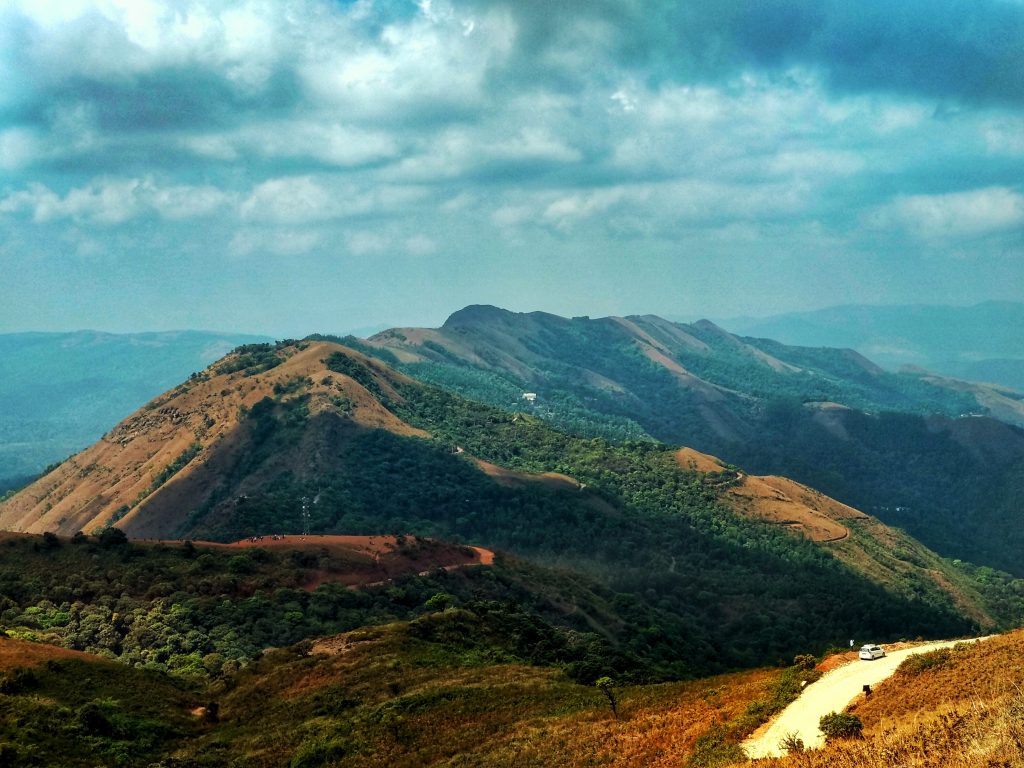
Mullayanagiri is the highest peak in Karnataka, located in the Chandra Drona Hill Ranges of the Western Ghats of the Chikmagalur Taluk.

 By
No Comments