


The environmental conference COP26 (Conference of the Parties) began on the 31st of October 2021 and runs for 2 weeks. Held in the Scottish city of Glasgow, the aim is to re-visit the Paris accord of 2015 and evaluate its progression.
The targets chiefly envisaged are :
- Zero carbon emissions by 2050.(At the moment we are almost at the threshold of 420 ppm and 450 ppm will spell disaster to human existence).
- Contain the temperature increment of the current century from minimum 1.5°C to maximum 2°C
A few European countries and US agreed to comply with the 2050 deadline.
But India wanted to stretch it to 2070 and China 2060.Some major defaulters like Russia, South Africa, Brazil were nowhere to be seen in Glasgow.
“Now or Never” seems to have been the controlling theme of the meet.
India's role is reducing carbon emission
India comes as number three behind China in first spot followed by USA at number two when it comes to carbon emission.India is planning to achieve its target of reducing carbon emission by introducing green energy initiatives.
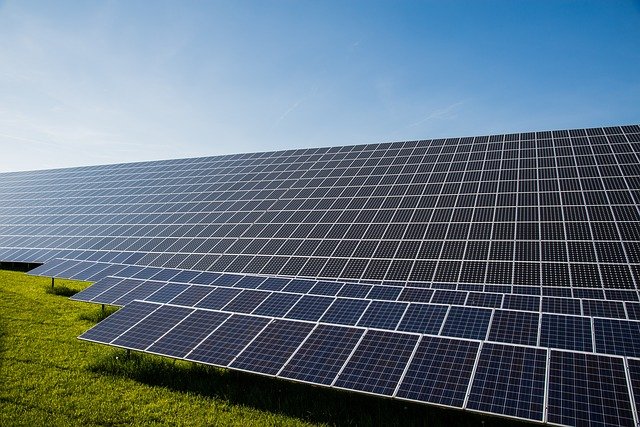
- Solar power
- Hydrogen power
Solar power is advancing at the moment and the Railway minister has kick started an industrious intent to achieve 100% hydrogen traction power starting with the Indian Railways in the next five years and go on to other areas .
The ambitions of India are achievable due to the abundance of hydrogen and silicon for solar in nature.
Side by side we have in our itinerary other green house gases to be contained viz Nitrous oxide, Methane, Ozone and the F-gases. A mega scale awareness campaign among fellow human beings with special emphasis on young minds will go a long way to reach where we want to reach.
Hydrogen and solar power are going to be the prime movers when it comes to mobility globally in times ahead . Reason being abundance of raw materials like hydrogen and silicon in nature. Apart from this minor roles can be allotted to hydel, wind, ocean waves etc.
Also notable is the aforementioned 100% hydrogen traction mode of Indian railways. This is a retrofit matrix of the existing diesel electric mobility mode into a hydrogen mode by incorporating hydrogen batteries which through a hydrolysis process converts it into an electrical domain.
Silicon is found in large quantities in Nature. When Nano silicon particles are mixed with water, hydrogen is separated instantaneously. No electricity or heat is required. It circumvents the costly hydrolysis processing to split Hydrogen. At the moment it can be deployed only in limited scale but very soon this technology is going to attain commercial levels.
Solar power is an accepted alternative source of green energy. Solar panels are embedded with silicon semiconductors which converts light energy into electricity. While Nano silicon will cater to limited requirements, the solar panels systems can negotiate large scale commercial requirements to fill up hydrogen batteries for commercial consumption .
In both cases conventional energy doesn’t come in since the electrolysis phase is eliminated.
Recently solar energy production has majored from solar battery forms to photovoltaic curtain walls or structural glazing as outer framing for high rise structures world over.
Curtain walls are semi-transparent frameless photovoltaic cavity walls 25 mm thick ( 6 mm outer skin and 6 mm inner skin with 12 mm empty space or cavity in between. And in this cavity silicon semiconductor are embedded which in turn convert light energy into electrical power.)
Therefore with the combination of solar farms and building structural glazing, India’s ambitious projection of attaining 5600 gigawatts of solar power at Glasgow two days ago is an achievable finish line.
And along with the hydrogen route as another renewable energy source PM Modi’s zero carbon 2070 cut off date is going to be as simple as that.
What about nuclear power?
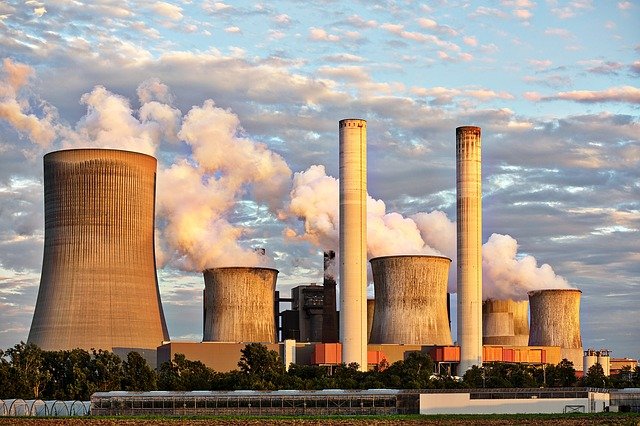
Nuclear power is not at all an alternative fuel source for a peaceful mobility system except nuclear power plants existing to supply power grids. It attains prominence only in a nuclear deterrent perspective. And in that realm India stands one among the six globally.
It took momentum in May 1998 at the Pokhran desert in Rajasthan when India conducted five underground nuclear tests. One of which was thermonuclear fusion and the rest thermonuclear fissions.
In the thermonuclear fusion, the fuel employed was Tritium which is an isotope of deuterium oxide or just the sea water touching our shores .
As deuterium warrants mega temperatures to trigger, a uranium based atomic bomb was embedded and the heat thus generated triggered the tritium fuel releasing 200 kilo tonnes of explosive power which was felt as far as the Miami seismological facility. Sub kiloton devices were also test fired with uranium fission mode to affect assets over a smaller landscape when the need arises. India has therefore proved itself on the world stage in this regard too.
But in reality Nuclear power isn’t a climate solution ,It is just too slow, too expensive, too dangerous, hasn’t solved its lethal waste problem and presents a potentially disastrous security as well as a proliferation risk. The political obsession in the world currently with keeping the nuclear power industry alive is its indispensability to the nuclear weapons sector. The world is expected to be devoid of the monstrous carbon foot print and hence make it safer for our future generations.